

For the ones whose obsession knows no bounds, forged in the fires of discipline.
Athletes

The time had finally come. I weighed in, got a great warm-up in, refueled, and changed into my singlet. I was going to take the competition stage very soon.
I was energized and ready. Leading up to this competition, it was very important to me to soak up the whole experience, to take in every moment and be fully immersed in the present. To be fully aware of my surroundings and how it felt to be in my body.
I walked to the loading area with my coaches, handed my personal items to the basket attendant, and kept listening to my favorite competition-day songs.
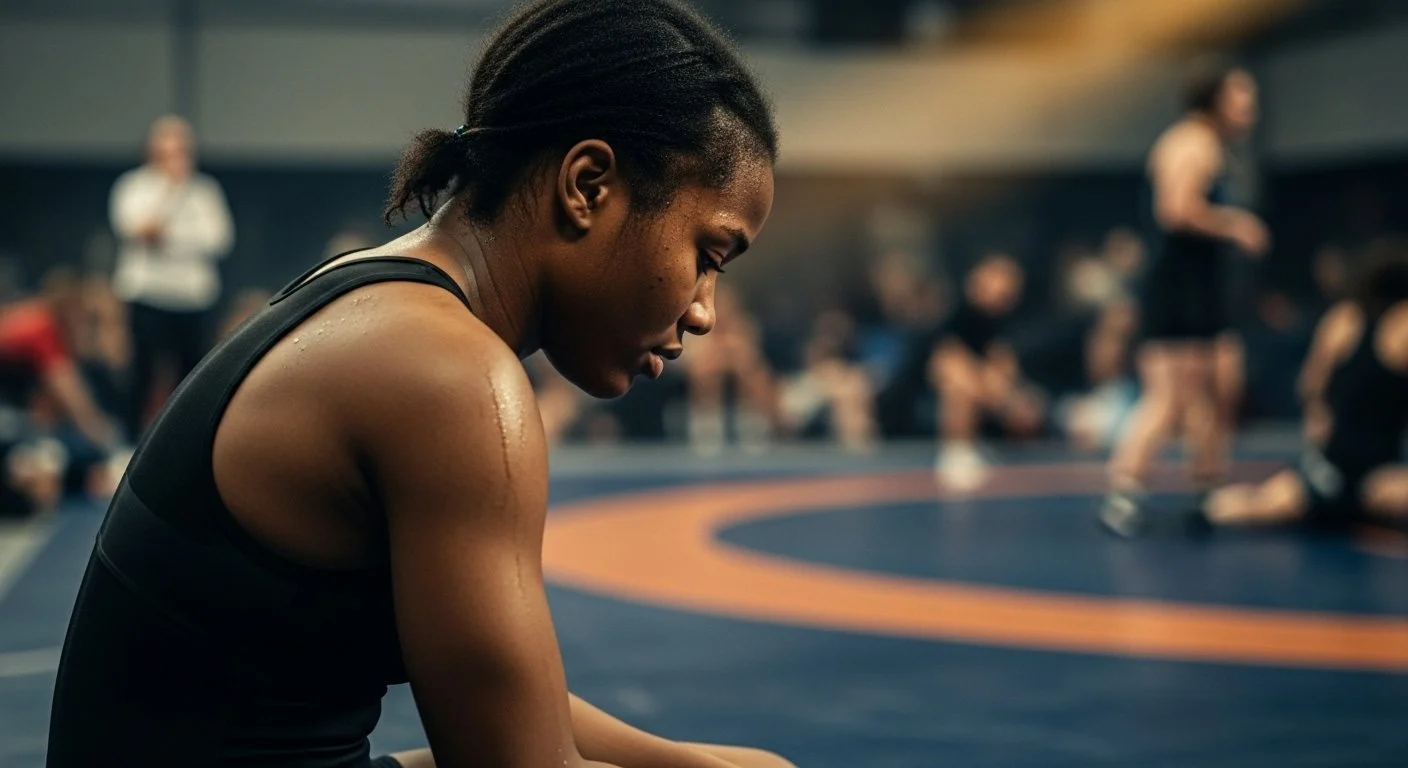
"The ref screwed me." "My coach didn't prepare me right." "My teammates don't push me hard enough." "The seeding was unfair." "They got lucky."
Every excuse feels justified in the moment, and we can always justify blame. Each one-liner builds on each other like a pyramid, eventually isolating you at the top. When we blame someone else for what we failed to own, we hand them our power. Failure is scary, if not terrifying. And I get it. As a wrestler for Team USA for over a decade, I had my own fear of failure and moments where I lacked of ownership over my career. I created situations for myself that were obstacles; the excuse that someone else had “more talent,” “more resources,” or even “a more ideal body type for wrestling” only left me alone and isolated with my world view. Never did that perspective help me shift towards the wrestler I wanted to become, only away.
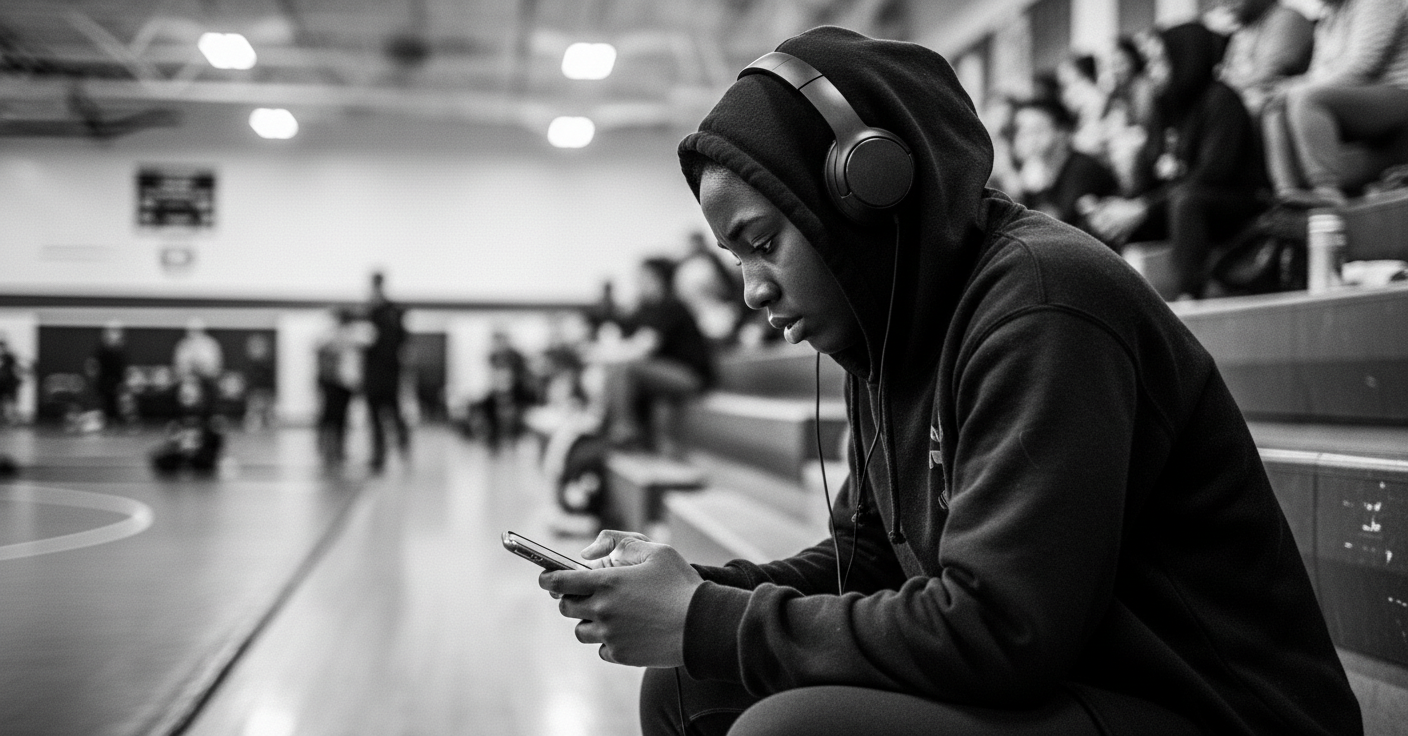
Your wrestler checks their opponent's TrackWrestling profile: State champion, 35-2 record, ranked nationally. Instantly, their demeanor changes. Stomach drops, tightness in the chest, breathing shallows, that confident warm-up energy evaporates. Or maybe it's a text from a teammate: "Dude, your opponent just teched someone in 45 seconds." Or perhaps it's their own mind: "I don't feel confident today. I'm such a head case. I'm going to lose."

At 16 years old, I was a confused sophomore in high school. I was struggling to settle on a clear vision for my life, worried about fitting in, and constantly stuck with indecision. I didn’t feel confident in who I was, and I certainly didn’t think I’d end up becoming a professional wrestler for Team USA.
And yet, here I am.
But the path here hasn’t been linear. It’s been full of uncertainty, painful setbacks, and moments of deep questioning. Through it all, one thing has remained constant: God has been with me every step of the way, even in the depths of my sorrows.


We are often our own worst enemies with healed injuries. When we start noticing the inevitable progression towards competition nears closer and closer, and we start loosing our heads. Those last, critical steps towards a full recovery are missed, and we become anxious and over focused on being back to sport in full. What we don't realize is, we already have the tools in our pocket to be ready for competition. It is not the first time we are competing! But are our bodies ready to adapt to the demands we must place on it?

No matter what level you are on currently, reaching your next level or goal comes from introspection and learning how and where you can make improvements. However, as you start exploring where you can make changes as an athlete, it is important to not fall into the trap of what you expect the end results to be, or how you should look getting there. Here are my top 5 training myths for reaching a higher level.


For every sport competition, we have our typical packing list of must haves: uniform, food, water, lucky socks. But the more we compete, the more we find ourselves in situations where we didn't have what we needed. And even though we try and buffer for most situations, not everyone knows what to pack just in case. Here are the 5 items you should never forget to bring with you to a competition.

Girls wrestling is rapidly becoming one of the most exciting and empowering sports available, providing young girls and women the opportunity to grow both physically and mentally. Whether you’re the parent of a budding wrestler or a young athlete stepping onto the mat for the first time, learning the basics is crucial for building confidence and embracing the journey of wrestling.

What is your why? Can you even remember anymore? When you do something for so long, its almost inevitable for your 'why' to come into question. Your why is the reason behind your effort. It is what keeps you driven, if you don’t have a why you may be weak when things get hard.

I seriously, seriously appreciate the honesty that athletes approach me with when they want advice on injuries. I can hear the genuine fear of falling behind in their voices. Having faced that same fear myself, I want to offer insight into the proactive steps athletes can take, even when it’s tempting to sit on the sidelines and wait for clearance to wrestle again.
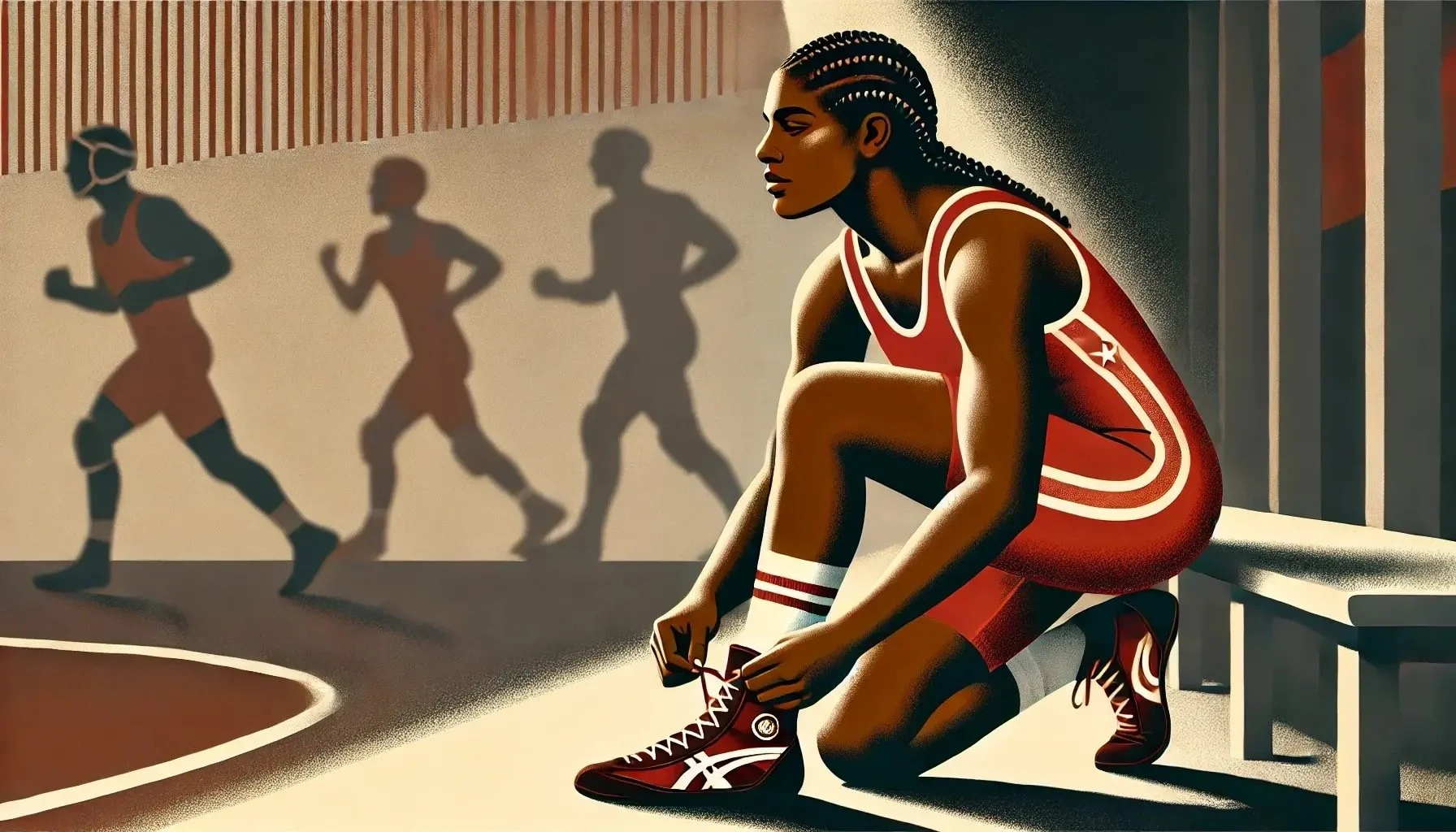
The seeds were planted by the dreams and aspirations of women who aimed for gold medals on the world’s highest stages. They broke barriers and reshaped reality, showing how deeply wrestling could resonate with women. Just like a plant needs support to thrive, women’s wrestling needs allies to help it flourish and create space for women.

January also marks the time of the year when women’s NCAA leaders gather for their annual convention to conduct NCAA committee business. My attention will focus on the potential vote approving women’s collegiate freestyle to become their 91st championship sport.
If they vote in favor of approval, it sets the stage for some compelling questions about the future of female wrestling. For example, can girls and women’s wrestling become a more independent and self-sustaining industry? More importantly, does freestyle wrestling offer the best opportunity for females to adopt a streamlined development and competition process based on one style of wrestling?

As the fastest growing sport in the US, wrestling is attracting new females to the sport. The US is well on it’s way to sanctioning girls wrestling in every state in order to have all-girls teams. However, while sanctioning is a work in progress and states are growing their participation numbers, this means many girls across the US who want to wrestle must compete against the boys. This poses a challenge for the athlete, the parents, and the coaches. This article chronicles two female athletes who were the only girls on their high school team. Forrest Molinari grew up wrestling in California, and continued her career to make world teams for Team USA. Rose Martines started wrestling her Junior year in Oregon, and completed her Senior year as the only female on her high school team. Neither athlete had a female wrestler come before them as the example for how to be the only girl on the boys team, they were the trend setters. As we continue to encourage girls to try this amazing sport, we are going to need the experiences of others to forge a path each generation that comes to the mat after us.


Warming up for competition is a non-negotiable part of any athlete’s routine, yet maintaining energy levels throughout a long competition day is often overlooked. Managing energy across multiple rounds ensures you're mentally and physically prepared to perform at your peak in every match. From the initial morning warm-up, through re-warming between matches, to cooling down afterward, each phase is essential for recovery and staying "in the zone."
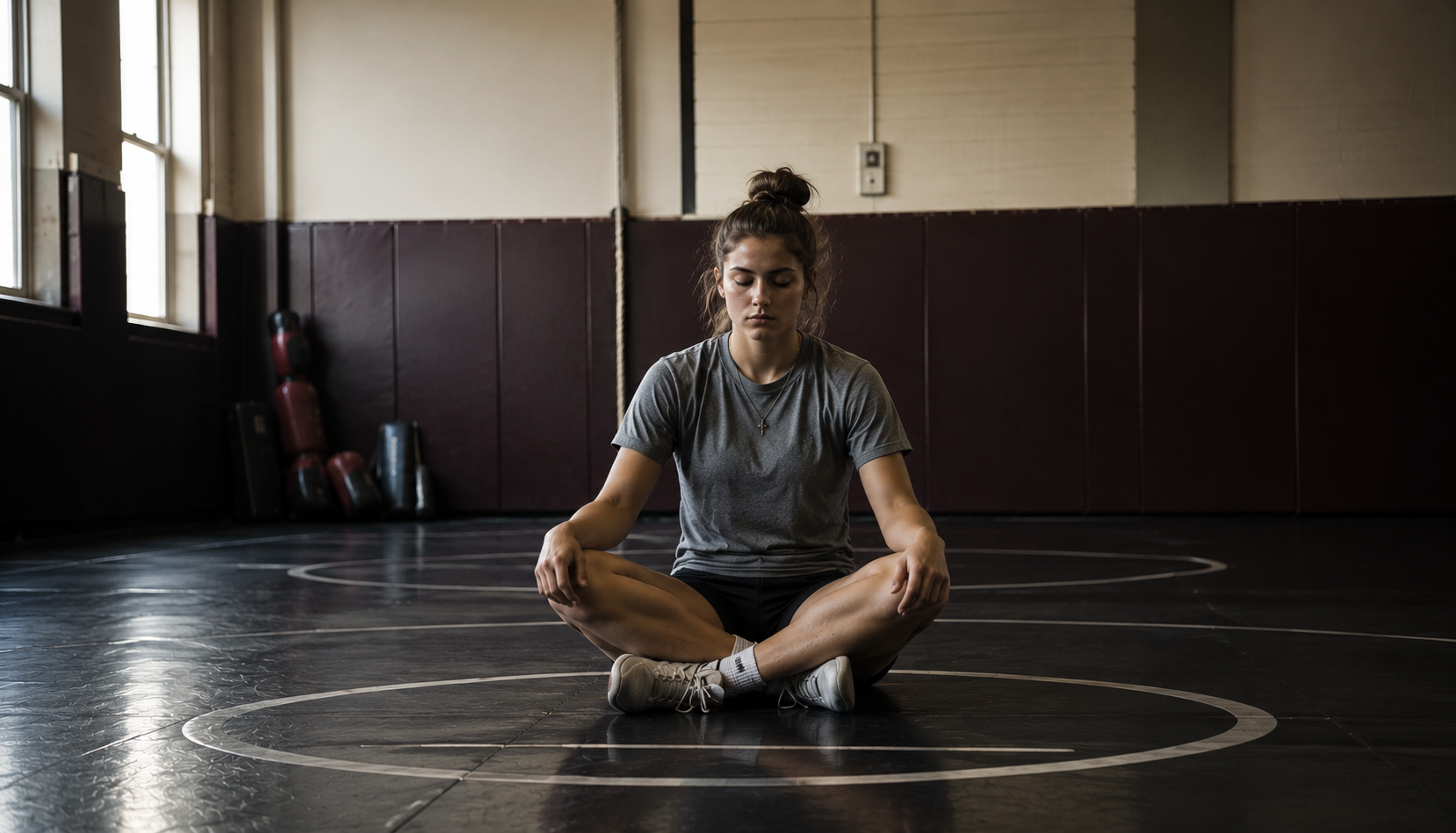
As athletes, we all have our fears—those little voices in our heads that say, “What if I mess up?” or “What if I lose?” Whether it’s freezing up on the mat, letting ourselves down, or worrying about disappointing our coaches, fear is something we wrestle with every day. And the truth is, it doesn’t just go away as you get better at the sport. In fact, those fears can get louder. But here’s the game-changer: you don’t have to get rid of them. You just have to learn how to live with them.

Rehydrating after weigh-ins is a critical step for an athlete to ensure their body is ready for competition. Wrestlers, whether they're beginners or seasoned competitors, need to pay special attention to how they manage their hydration after weight-ins as well as throughout the entire competition day.

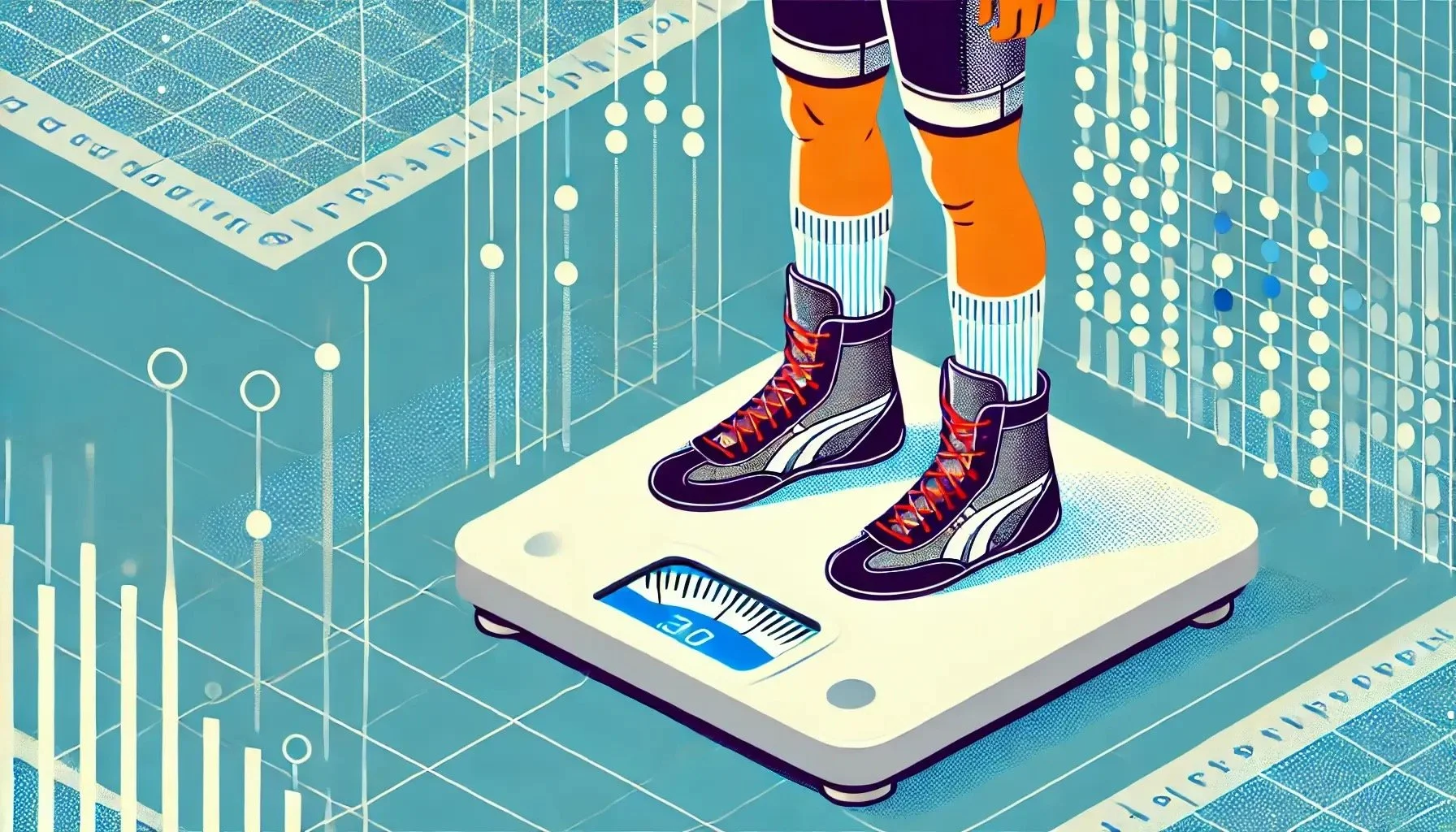
Wrestling has a stigma about weight cutting, and often the wrestling community is perpetuating it ourselves. In my opinion, it is emphasized much too heavily and much too young. Through competing, coaching, and educating young wrestlers about the sport, I have observed that our young athletes are taught they might only be successful if they compete at a lower weight. The number of males and females I've spoken to who have decided not to continue their career onto a collegiate or international level, have mostly been due to burn out from weight cutting. When does it become impractical to maintain a weight class? Should our minds, bodies, technique, and love for the sport suffer? This post is meant to be a guide for young athletes to navigate the pressures they may be receiving to cut weight.


Choosing the right college wrestling program is a significant decision, particularly for female athletes. Beyond the typical considerations, such as academic fit and team culture, there are unique challenges and opportunities that female wrestlers and their families must navigate in today's evolving wrestling landscape.

As a beginner wrestler, how do you become effective in competition without obsessing over learning every technique? When we focus solely on the need to perfect technique, it can often prevent you from seeing the big picture. What is sport, but accepting the challenge from another competitor to compete to your best abilities? By simplifying the idea of sport, we can focus on being a fierce competitor, and focus on where to position yourself for the best advantage. I've seen many great wrestlers who learned how to be tough competitors without high level technique. In good time, the technique will come with work and repetition.

Wrestling has a problem: women aren't coming back to coach. And when they do, they face an uphill battle because they fail to internalize their own accomplishments. This is called Imposter Syndrome, a term coined in 1978 by a clinical psychologist. It has become a buzzword in recent years, and couldn't be more relevant to the sport of women's wrestling.

How often have you arrived at competition and realized you just started your period? Did you have all you needed, or did the stress of being with out the proper tools wear you down? Learning good habits which help support you during your period are a must for female athletes. Being prepared is key, but often we don't have a clue what we should be prepared for! Let's talk strategies and tools we can utilize so the day of competition is a little less painful.

Trying to stereotype a female wrestler’s body as only short and stocky will only give you a narrow view of our sport. Wrestling is one of the few sports where you use your body type as a way to get the advantage over your opponent. Tall wrestle short, skinny wrestle stocky. As long as they are the same weight, you must learn how to wrestle whatever your opponent looks like...